MBSS-Empowering Communities and Restoring Coastal Ecosystems for a Greener Future
Kolaka, Southeast Sulawesi – December 2023
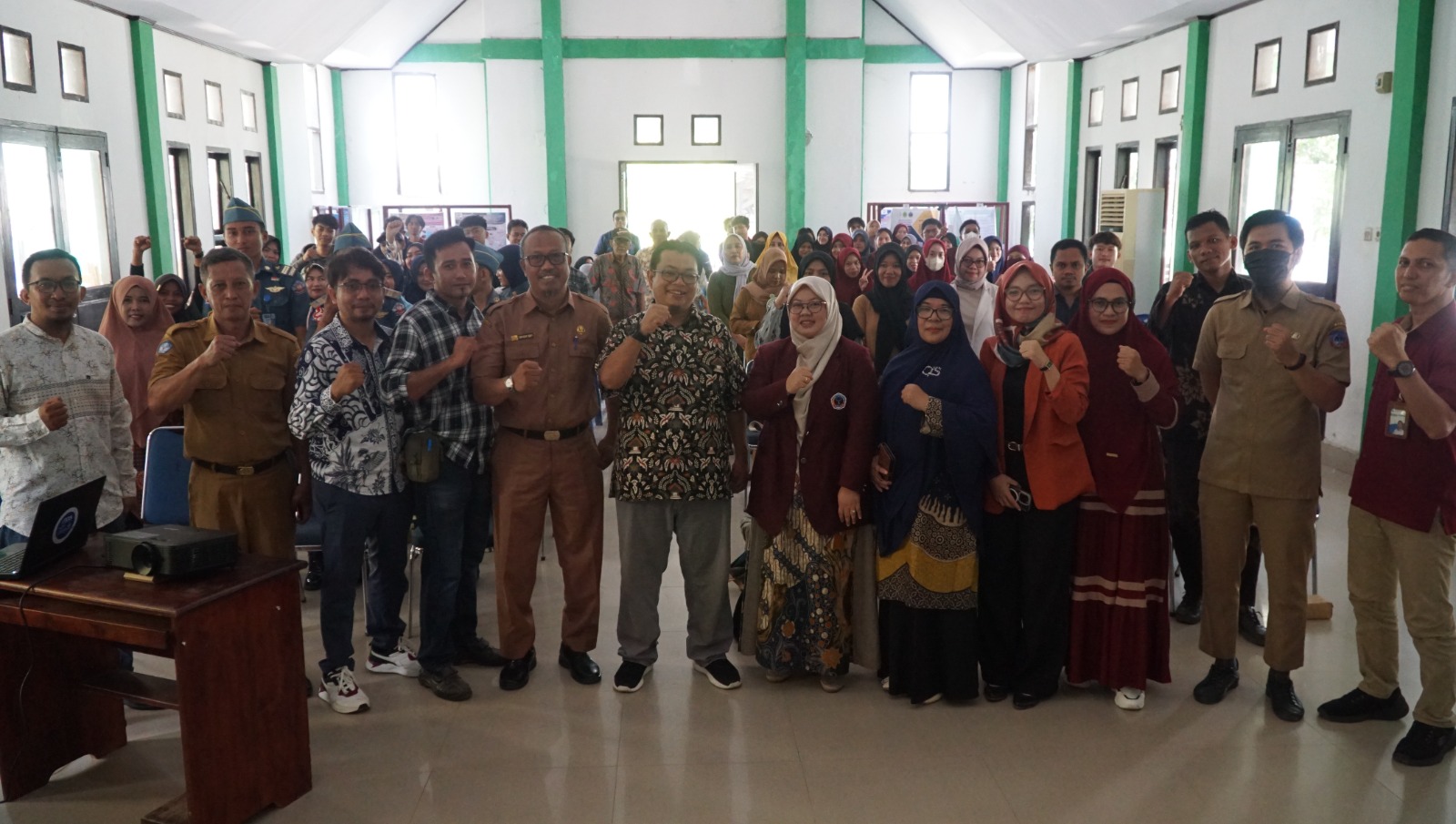
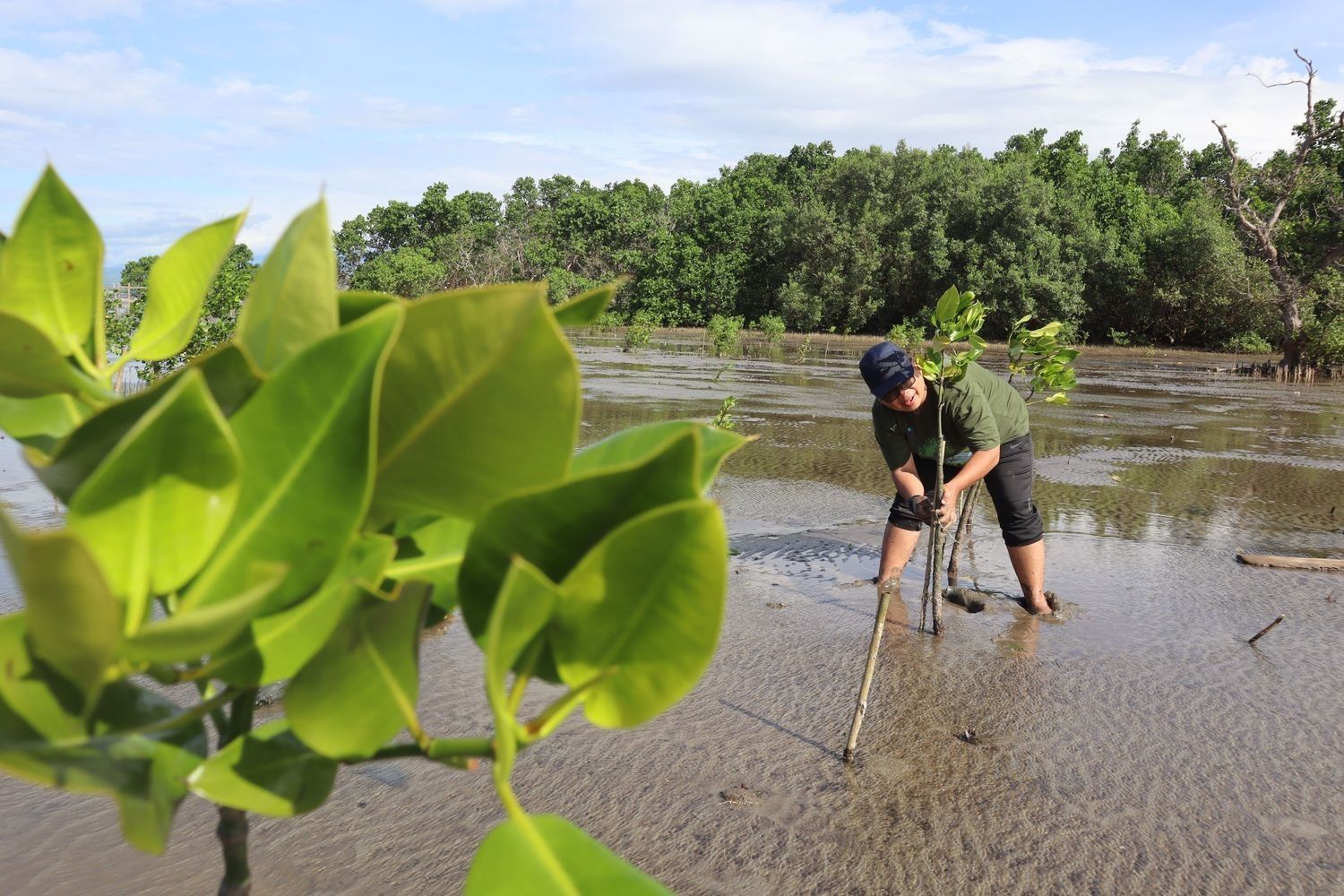
MBSS _ DAIDAN collaborated with 19 November Kolaka University, Kolaka Maritime Service, BPSPL Makassar and Pucuk Mekar mangrove activists in a monumental effort to preserve the environment, Kolaka in Southeast Sulawesi succeeded in planting 2,500 mangrove trees followed by comprehensive training for enthusiastic mangrove activists. This dual initiative aims to encourage sustainable practices and empower communities to protect the valuable mangrove ecosystem along the Kolaka coast.
Mangrove Planting:
Mangrove planting takes place in August, where community members, volunteers and environmentalists come together to participate in this hands-on initiative. The mangrove species chosen, rhizopora, are expected to thrive in the local ecosystem and contribute to the overall biodiversity of the region.
Stakeholders and environmental experts provided guidance throughout the planting process, emphasizing the important role mangroves play in preventing coastal erosion, supporting marine life and mitigating the impacts of climate change. This event not only serves as a means to improve the local environment but also fosters a sense of community involvement and concern for the environment.
Training Program for 90 Mangrove Activists:
In line with mangrove planting efforts, a comprehensive training program was also held for 90 mangrove activists. the workshop discussed the ecological importance of mangroves as well as sustainable conservation practices, and community involvement strategies. Participants gain insight into maintenance and the latest methodologies for conserving mangrove habitats.
Local experts from USN Kolaka, BPSPL Makassar and the Maritime Service shared their knowledge, providing activists with the knowledge and skills needed to be effective activists for mangrove conservation. The goal is to create a network of informed and empowered individuals and organizations that can fight for environmental protection and sustainable development in the region.
Future Impact:
The combined mangrove planting efforts and activist training aim to create a ripple effect in the community. By cultivating a deeper understanding of the ecological importance of mangroves, residents are encouraged to actively contribute to the preservation of this important ecosystem.
In the future, the team plans to continue this initiative, expanding the scope of the planting project and increasing the number of trained activists. The long-term vision is to build a sustainable mangrove conservation model that can be replicated in other coastal areas, fostering a culture of environmental responsibility for future generations.
The success of this collaborative effort in Kolaka is proof of the power of community-based environmental initiatives and an inspiration for other regions seeking to balance ecological conservation with community development.